History
of the Mennonite Settlement
The Founding of Pennsylvania
(above) part of the orchard of antique and heirloom fruit and nut trees at the Museum
Pennsylvania was founded in the 1680s as a “proprietary” colony of Great Britain. This
means that all of Pennsylvania was owned by one man, the “proprietary”:
William Penn (1644-1718). William Penn was given the colony as a repayment of a
debt King Charles II owed to Penn’s father. Penn saw the colony as an opportunity to
provide a place of safety for people with unusual religious beliefs, as well as
a means of making profit for himself. The colony worked very well as a place of
safety; Penn made very little profit from the venture.
One
of Penn’s great concerns was to ensure that land in the colony was purchased
fairly from the indigenous people, the “natives” or “Indians”. The King
of Great Britain gave Penn a charter, but this did not mean that the King had
paid the people who were already living on the land for the land in the charter!
Piece by piece, treaty by treaty, William Penn and his sons after him purchased
lands, first along the Delaware River, then along the Susquehanna, until by the
time of the American War of Independence about two-thirds of the present state
was recognized by indigenous people as purchased lands.
Quakers and Mennonites
Another
great concern of Penn’s was to protect people who had been persecuted for
their religious beliefs. Penn was a convert to “Quakerism”, a Christian sect
which rejected outward sacraments. This means that Quakers did not (nor do they
today) practice such
rituals as baptism or communion. Because of his beliefs, Penn, along with many
other Quakers, was jailed several times. Some Quakers in England and in New
England were executed because of their beliefs.
The Mennonites
are a Christian sect whose beliefs are very similar in some respects to those of the Quakers; the Mennonites do practice some outward rituals. Because the Mennonites
do not believe that infant baptism is proper, they are classified as
“Anabaptists”, meaning “re-baptizers”.
Throughout
Europe, Anabaptism was considered a both a heresy (wrong belief) and a crime punishable by
imprisonment or death. Although the Mennonites had occasionally found refuge
from religious persecution, William Penn’s offer of a home in which all
monotheists (believers in a single God) would be free to practice as they
pleased was very welcome.
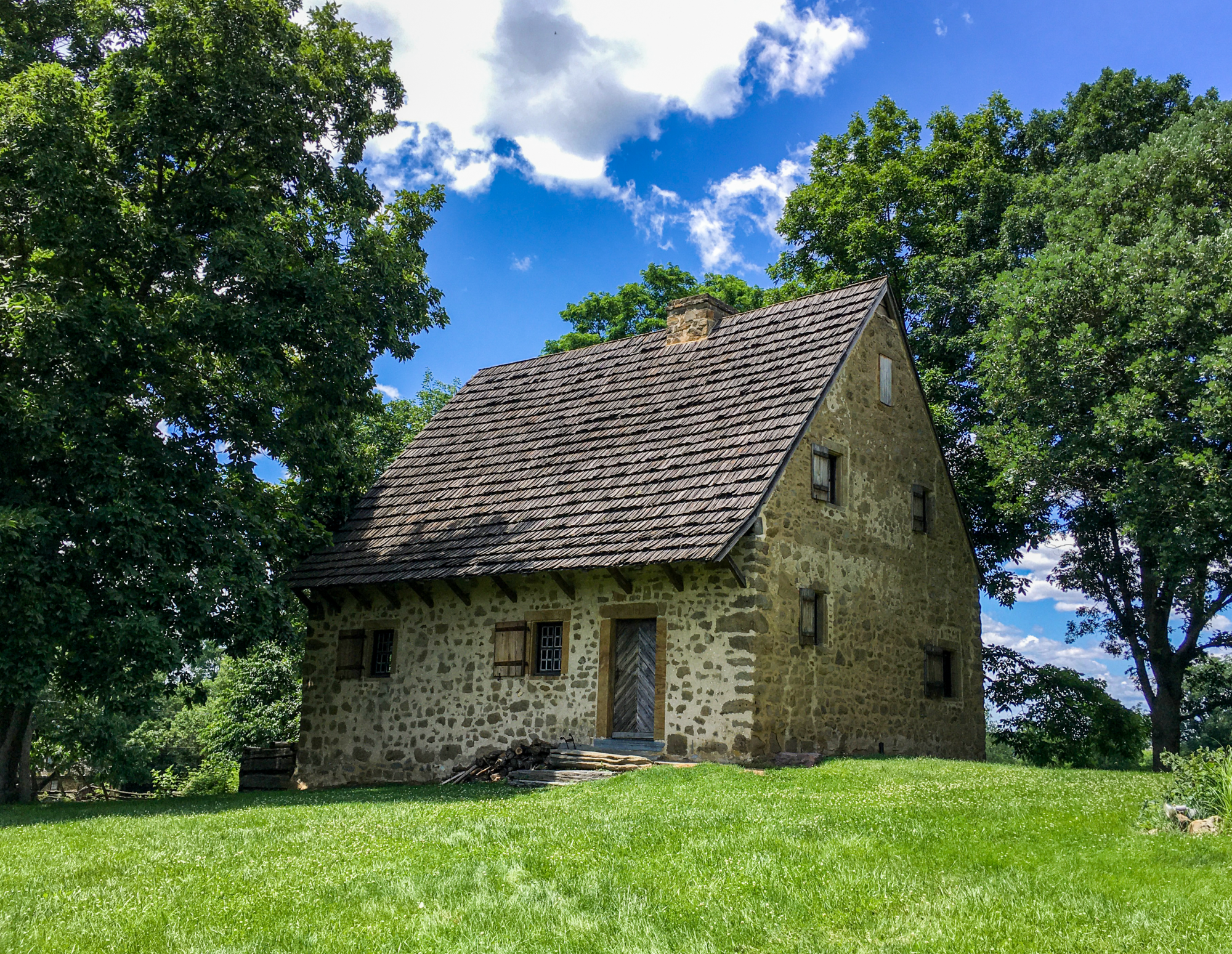
(below) the 1719 House viewed from the east, with four-square garden in foreground
The Mennonite Settlement in
Pennsylvania
The
earliest Mennonite settlement in Pennsylvania was just outside Philadelphia in
Germantown. The first Mennonites to settle in what became Lancaster
County passed through Germantown on their way west and continued to associate
with the Mennonites there throughout the colonial period. The “Conestogoe”
Settlement of Mennonites (so called because of its location near the Conestoga
River), however, was remote from most other settlement in Pennsylvania. The
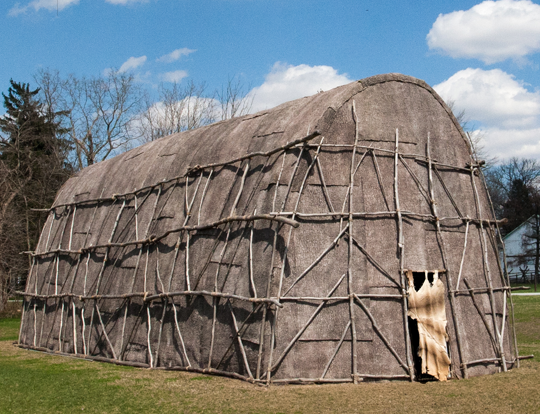
nearest neighbors of the Conestogoe Mennonites were the Conestoga people, an
indigenous group who held legal title to a “Manor” between the Little Conestoga
Creek and the Susquehanna River, about five miles to the west of the Mennonite
settlement. The closest European settlement was about twenty-five miles to the
south-south east. This was called the “Nottingham Lots”: lands granted by Pennsylvania, but including a number of tracts in what is now
Maryland.
In
1711, what is now Lancaster County, Pennsylvania, was part of Chester County,
the westernmost of the three original counties of Pennsylvania. Lancaster County
was founded in 1729, almost nineteen years after the grant of lands near the
Conestoga to the Mennonites. The county seat of Lancaster County was established
at the newly-created town of Lancaster. By 1733 a “King’s Highway” from
Philadelphia and Chester to Lancaster was completed, replacing the Great
Conestoga Road as the main route to the west. The original Mennonite settlement,
once centered on the “main drag”, was now a backwater. But for ten years or
more, virtually anyone passing to the west of the Province would have walked
under the shadow of the 1719 House.
An
excellent source for information about the early Mennonite settlement in
Lancaster County in general and about the 1719 House in specific is the book A Modest Mennonite Home
by Steve Friesen, with photographs by John Herr and introduction by Andrew Wyeth.
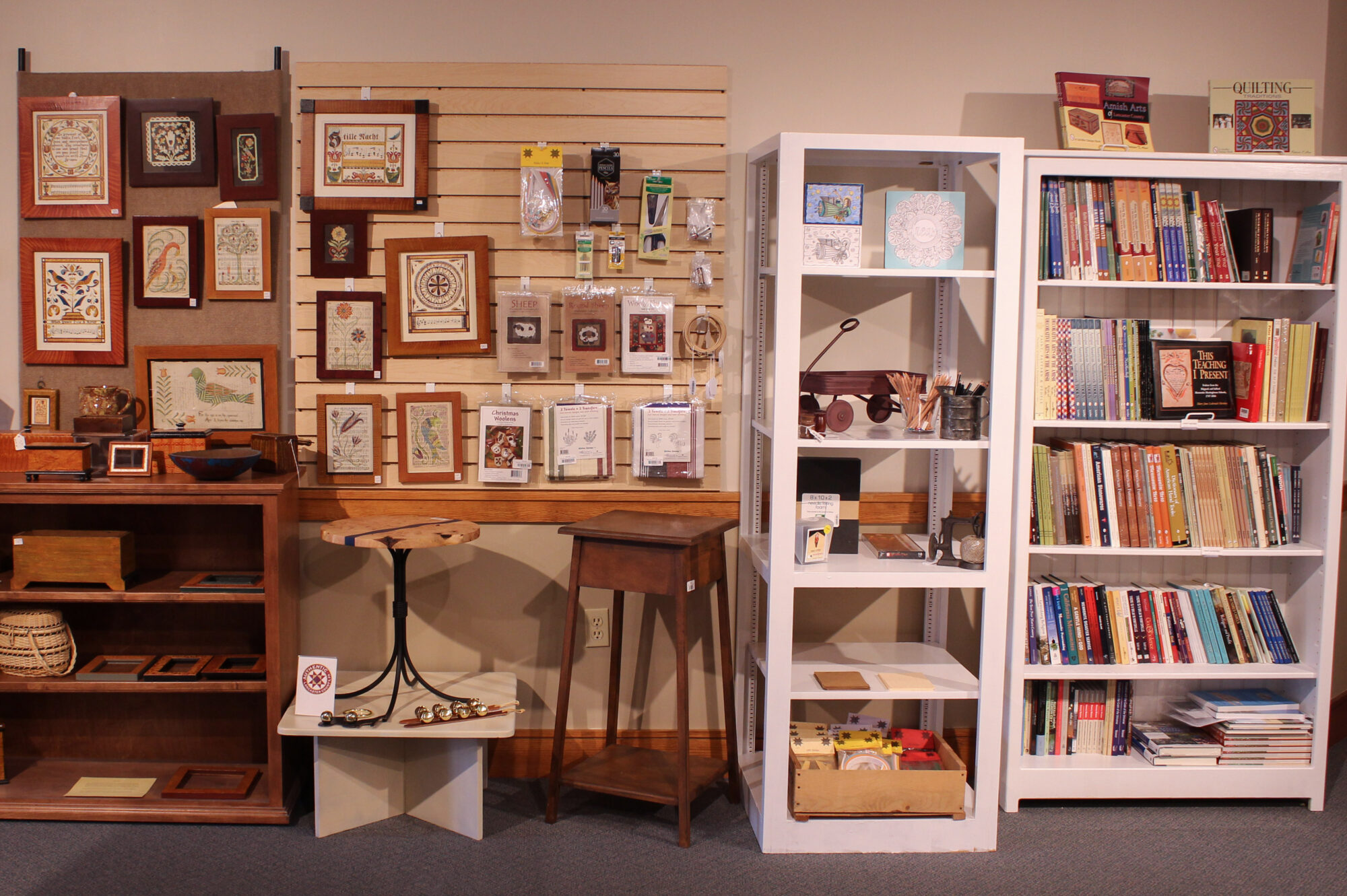
This book and many other fine titles is available through the Museum Gift-shop.