
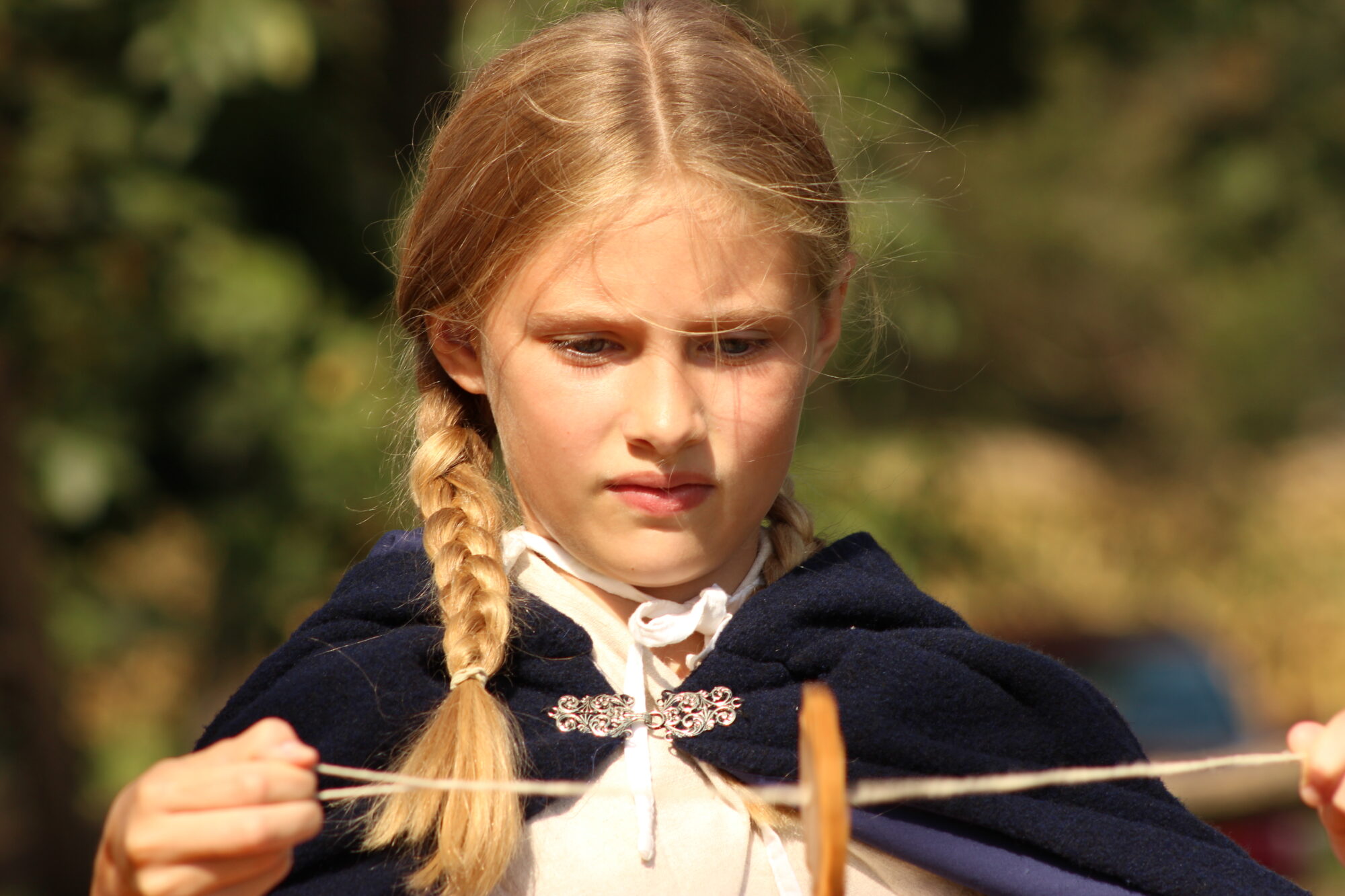
Experience Mennonite History and Culture
Explore a unique community whose values and traditions are as meaningful today as they were when Mennonites came to America in the 1700s. On two campuses in Lancaster, Pennsylvania, we bring diverse Mennonite experiences to life.
Choose Your Experience




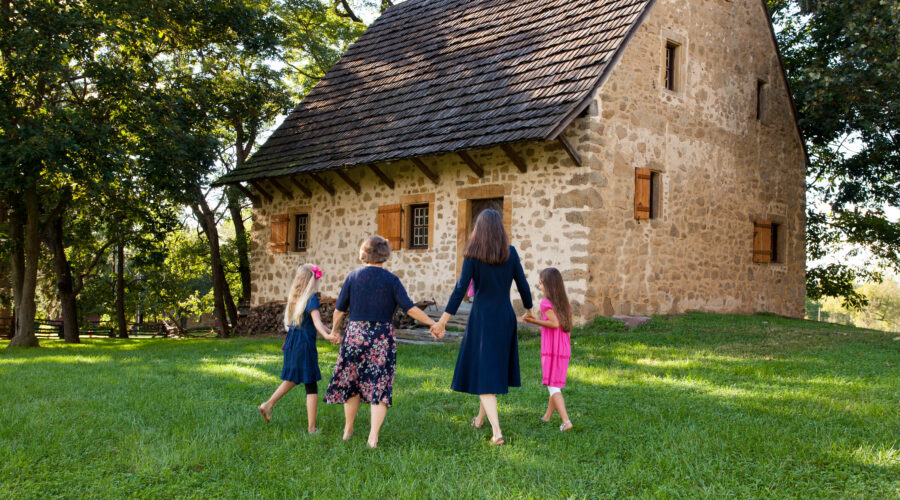
If you bring a “Let’s go!” attitude to learning something new, you’re at the right place!
Learn More

You’re serious about your research, and we’re ready to help! With thousands of unique virtual resources, and a stand-out team ready to help you in our archives & library, our reputation precedes us.
Learn More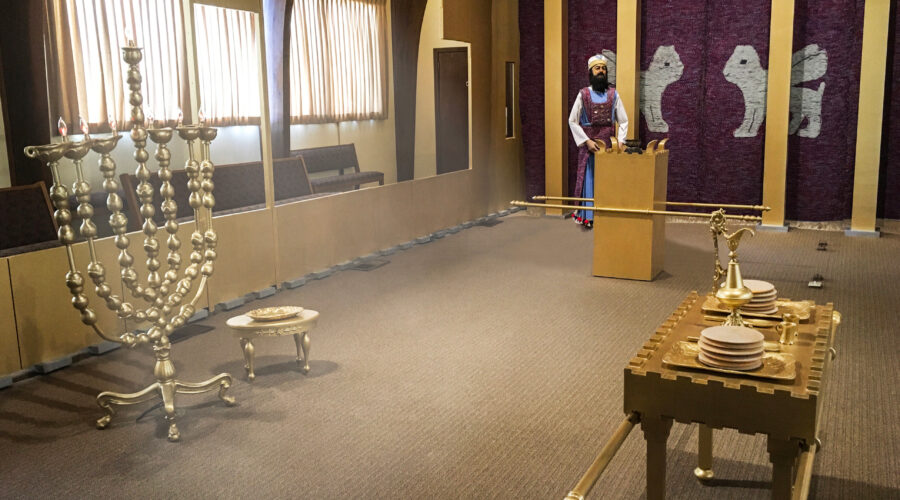
Immerse yourself in early American life. Browse the handiwork of Mennonite “makers” working centuries ago. And for something totally different, take in the Biblical Tabernacle Experience.
Learn MoreExplore Mennonite Stories
A Caring Revolution
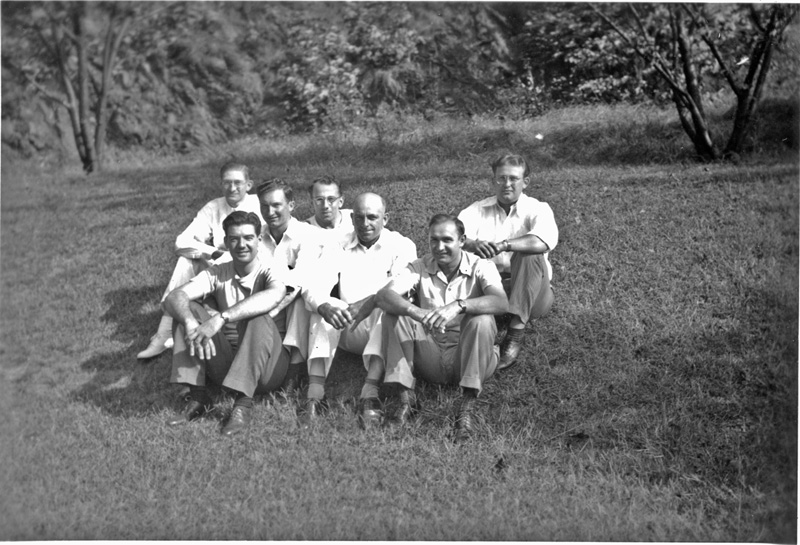
Civilian Public Service (CPS) workers lived in camp settings and labored in assignments considered “matters of national importance” by the U.S. government. Some volunteered as human subjects for medical testing, some worked in the Forest Service fighting forest fires, some provided agricultural services such as milk testing for dairy farmers, and many workers served as staff in mental health institutions.
Active Peacemaking
From violent debacle to active peacemaking . . .
Anabaptism emerged in 16th century Europe under the same conditions that gave rise to the Peasants’ War, and many people showed sympathies for both.
Charismatic Anabaptist evangelists and inspired spiritual leaders popped up in many different places. Some emphasized Scripture, or the outer word, as the key to following Christ while others insisted the inner word – listening to the voice of the Spirit – mattered most. Activity in Switzerland, in South Germany/Austria, and in North Germany/the Netherlands loosely created the Anabaptist movement in the 1520s and beyond.
Record Your Story In Our Life Story Lab
Life Story Lab is a life story interviewing service that can help you capture the beauty and challenge of a life well-lived and share it with others. How does it work? Click below to learn more.

Mennonite Artists
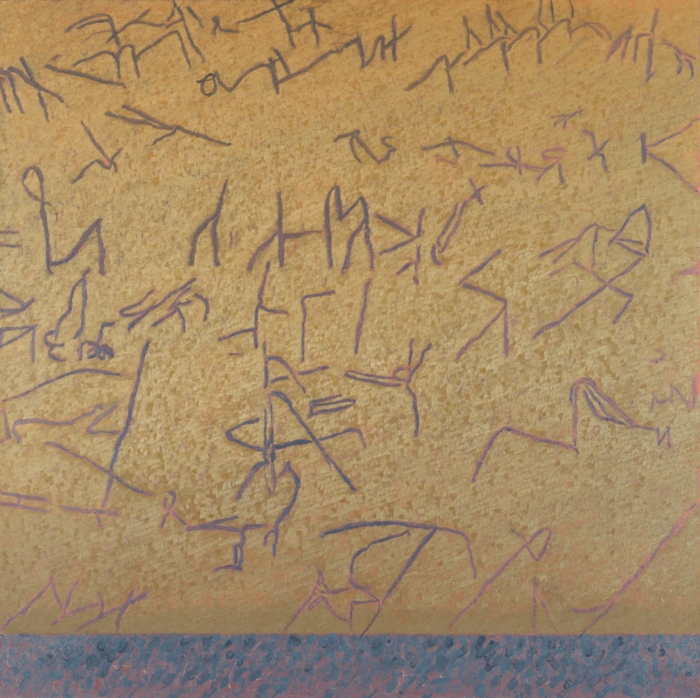
Beyond folk arts, Mennonites contribute significantly to visual, language, and musical arts. Learn about Mennonite artists Warren Rohrer and Jane Rohrer, whose work was recently featured in a Penn State University’s Palmer Museum of Art exhibition “Field Language.”
Discover Something New
May 9 @ 6:30 pm
Author Talk: The Mennonite and Brethren Music of Peggy’s War
Peggy’s War is a meticulously researched novel that adheres…
Learn More
July 12 @ 6:30 pm
Rare & Used Book Auction
Join us in the Community Room on Friday, July…
Learn MoreJuly 25 @ 6:30 pm
Author Talk: Amish Gardens of Lancaster County
Join us for an exploration of Amish kitchen gardens…
Learn More
August 5 @ 7:00 pm
Annual Storytelling Night
Mennonite Life will host its Annual Storytelling Night on…
Learn MoreOur Campuses
Did You Know?
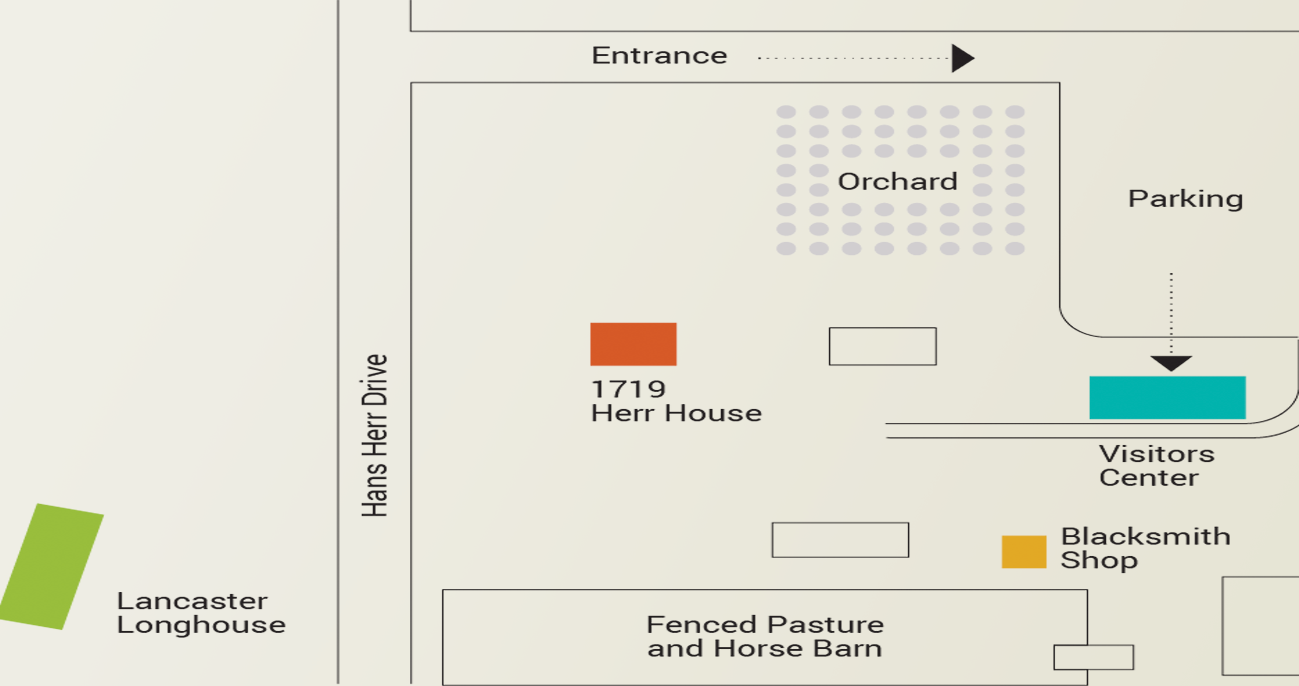
The sandstone used for the Herr House was quarried on-site.
Christian Herr was a prominent leader in the 18th century Mennonite Community. Years after his death Lancaster Mennonites were still referred to as the Christian Herr Party.
Indigenous Peoples taught the Herr family and other Mennonites how to hunt game, clear heavily forested land, and how to identify native plants.